Can Dogs Get Ticks?
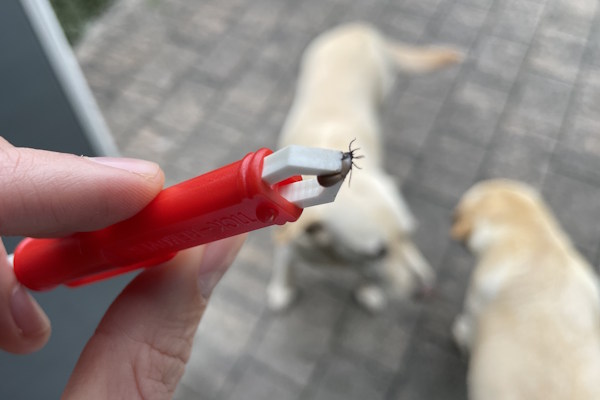
Ticks can spread Lyme disease and other infections. Prevention and fast removal are your best defense.
Yes, dogs very easily get ticks, small blood-feeding parasites that latch onto the skin, usually after walks in long grass or woodland. A single bite is rarely a problem on its own, but ticks can pass on serious infections such as Lyme disease, so the goal is to keep them off your dog and to remove any you find quickly and correctly.
Why Ticks Are Dangerous
The bite itself is minor. The worry is what a tick can carry, since most of these infections only pass on after the tick has been attached for a day or two.
| Tick-borne illness | What it can cause |
|---|---|
| Lyme disease | Fever, shifting lameness and swollen, painful joints |
| Anaplasmosis | Fever, low energy and joint pain |
| Ehrlichiosis | Fever, bruising, bleeding and weight loss |
| Rocky Mountain spotted fever | Fever, swelling and pain |
| Tick paralysis | Weakness that can spread, from a toxin in tick saliva |
How to Remove a Tick Safely
- Use the right tool. Reach for fine-tipped tweezers or a purpose-made tick remover.
- Grip close to the skin. Grasp the tick where it meets the skin, not by its body.
- Pull straight up. Use slow, steady pressure. Do not twist, jerk or squeeze.
- Do not use folk remedies. Never burn a tick or coat it in oil, which can make it worse.
- Clean and watch. Disinfect the bite, wash your hands, and monitor the spot for a few weeks.
How to Prevent Ticks
Keep ticks off your dog
- Keep your dog on a vet-recommended tick preventive all year
- Check the coat after every walk, especially ears, armpits, groin and between the toes
- Keep grass short and clear leaf litter from the yard
- Avoid known tick hotspots in peak season where you can
- Ask your vet about a Lyme vaccine in high-risk areas
Frequently Asked Questions
How do dogs get ticks?
Ticks wait on grass, brush and leaf litter and climb aboard when a dog brushes past, then crawl to a sheltered spot and bite. Dogs pick them up most often in long grass, woodland and areas with deer or other wildlife, which is why a careful check after every walk in those places matters so much.
Are ticks dangerous to dogs?
They can be. Beyond the bite itself, ticks can transmit serious infections including Lyme disease, anaplasmosis and ehrlichiosis, and some cause a temporary tick paralysis. Most diseases need the tick to stay attached for a day or more, so removing ticks quickly greatly lowers the risk.
How do I remove a tick from my dog?
Use fine-tipped tweezers or a tick removal tool. Grip the tick as close to the skin as you can and pull straight up with slow, steady pressure. Do not twist, jerk or squeeze the body, and never burn it or smother it in oil. Clean the bite afterward and wash your hands.
Can I get ticks from my dog?
Unlike fleas, ticks do not infest your home or breed on your dog, but a tick your dog carries in can crawl onto you and bite. Ticks spread diseases to people too, so check yourself after the same walks and remove any tick promptly.
⚠️ Emergency? If your dog may have swallowed something toxic or is seriously unwell, contact your vet or a pet poison helpline immediately (in the US, the Pet Poison Helpline is 855-764-7661).
Sources: American Kennel Club (akc.org), VCA Animal Hospitals (vcahospitals.com) and the American Veterinary Medical Association (avma.org). This guide is for general information and is not a substitute for advice from your own veterinarian. See our editorial & review policy.


