Can Dogs Eat Cheese?
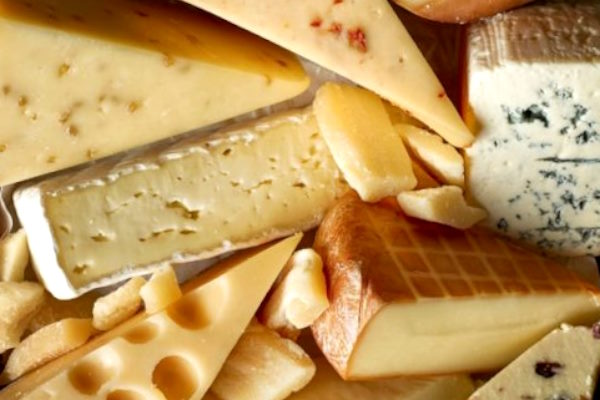
Stick to plain, low-fat cheese in tiny portions. Skip blue cheese, and skip cheese if your dog is lactose intolerant.
Yes, most dogs can eat cheese, and it makes a great high-value training treat or a way to hide a pill. But cheese is rich in fat and salt, many dogs are a little lactose intolerant, and a few cheeses, like blue cheese, are genuinely risky. The trick is to pick the right cheese and keep the amount small. Used carefully, it sits alongside other dog-safe treats such as a slice of banana.
Safe vs Avoid
Safer picks
- Plain cottage cheese, low-fat
- Mozzarella in small amounts
- Small cubes of mild cheddar as a training treat
- A little plain cream cheese to hide a pill
- Anything low in fat and salt, and plain
Avoid
- Blue cheese, Roquefort, Gorgonzola and Stilton
- Cheese flavored with onion, garlic or herbs
- Processed cheese slices and spray cheese
- High-salt, high-fat cheeses in any real quantity
- Any cheese if your dog is lactose intolerant
Cheese by Type
| Cheese | Safe for dogs? |
|---|---|
| Cottage cheese (low-fat) | ✅ Yes, a gentle choice |
| Mozzarella | ✅ Yes, small amounts |
| Mild cheddar | ⚠️ Occasional small cubes |
| Cream cheese (plain) | ⚠️ Tiny amount, for pills |
| Blue cheese | ❌ No, can be toxic |
| Flavored or processed cheese | ❌ No, salt and additives |
The Real Risks
- Lactose intolerance, which brings gas, bloating and diarrhea
- High fat, which can trigger pancreatitis in sensitive dogs
- Too much salt, a problem in processed cheeses
- Roquefortine C in blue cheese, which can cause tremors and seizures
- Weight gain if cheese becomes a regular habit
How to Serve Cheese Safely
- Choose mild and low-fat. Plain cottage cheese, mozzarella or a little mild cheddar are best.
- Keep it tiny. A small cube or a teaspoon is enough, never a whole slice.
- Skip the risky ones. No blue cheese, and nothing flavored with onion, garlic or extra salt.
- Watch for intolerance. Check for gas, bloating or loose stools after dairy, and stop if they appear.
- Use it with purpose. Save cheese for training rewards or hiding medication rather than everyday snacking.
The Benefits
Protein & calcium
Supports muscles and strong bones.
Training gold
A high-value reward dogs work hard for.
Pill helper
Hides medication a fussy dog would refuse.
Vitamins
Provides vitamin A and B-complex vitamins.
For a change of pace, a dab of xylitol-free peanut butter works as another high-value reward or an easy way to hide a pill.
Did Your Dog Eat Blue Cheese or a Lot of Cheese?
- Repeated vomiting or diarrhea
- A painful or bloated belly and a hunched posture
- Tremors, wobbliness or unusual restlessness
Frequently Asked Questions
Is cheese bad for dogs?
Not usually. In small amounts, plain low-fat cheese is a safe, high-value treat for most dogs and a handy way to hide a pill. The problems come from too much of it: cheese is high in fat and salt, and some dogs are lactose intolerant, so moderation is the key.
Can dogs be lactose intolerant?
Yes, many dogs are, to some degree. Puppies handle milk sugar well, but adult dogs make less of the enzyme that breaks it down. If your dog gets gas, bloating or diarrhea after dairy, it is likely lactose intolerant, and cheese should be avoided or kept very small.
Can dogs eat blue cheese?
No. Blue cheeses like Stilton, Roquefort and Gorgonzola can produce a substance called roquefortine C, which dogs are sensitive to. It can cause vomiting, tremors and even seizures. Keep all blue and mold-ripened cheeses well away from your dog.
What is the best cheese to give a dog?
Low-fat, low-salt, plain options are best. Plain cottage cheese and mozzarella are gentle choices, and small cubes of mild cheddar work well as training rewards. Avoid anything flavored with onion, garlic or herbs, and skip processed cheese slices and spreads.
How much cheese can a dog have?
Only a little. Think a small cube or a teaspoon of cottage cheese, not a slice or a handful. Treats of all kinds should stay under about 10 percent of your dog's daily calories, and cheese is rich, so a tiny amount goes a long way.
Can dogs eat cheese with medication?
A small piece of cheese is a classic way to hide a pill, and it works well for many dogs. Just make sure the medication can be given with food, use only a little plain cheese, and check that your dog is not lactose intolerant or on a low-fat diet first.
Sources: American Kennel Club (akc.org), VCA Animal Hospitals (vcahospitals.com) and the American Veterinary Medical Association (avma.org). This guide is for general information and is not a substitute for advice from your own veterinarian.


